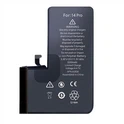
Lithium polymer batteries differ from conventional battery systems in the type of electrolyte used. The original design dates back to the 1970s, and it used dry solid polymer electrolytes. This electrolyte is similar to a plastic-like film that does not conduct electricity but allows ion exchange (charged atoms or radicals). The polymer electrolyte replaces the traditional porous separator, which is filled with electrolyte. Lithium polymer battery dry polymer design can simplify manufacturing, robustness, safety and thin geometry. The unit thickness is only 1 mm (0.039 inches), and equipment designers can use their imagination in shape, shape and size.
Unfortunately, dried lithium polymer has poor conductivity. The internal resistance is too high to provide the current bursts required to power modern communication devices and spin the hard drives of mobile computing devices. Heating the battery to 60°C (140°F) or higher will increase conductivity, which is not suitable for portable applications. In order to compromise, some gelled electrolyte was added.
Commercial batteries use a separator/electrolyte membrane made from the same conventional porous polyethylene or polypropylene separator filled with polymer, which gels when filled with a liquid electrolyte. Therefore, commercial lithium-ion polymer batteries are very similar in chemistry and materials to their liquid electrolyte counterparts.
Lithium-ion polymers have not become popular as quickly as some analysts had expected. Its advantages over other systems and lower manufacturing costs have not yet been realized. The increase in capacity has not improved-in fact, the capacity is slightly less than that of a standard lithium-ion battery. Lithium-ion polymers have found market advantages in the thin geometry of wafers, such as credit card batteries and other such applications. Advantages of Lithium Polymer Battery
1. Very low profile-a battery similar to the profile of a credit card is feasible.
2. Flexible shape-manufacturers are not restricted by the standard cell format. When the volume is large, any reasonable size can be produced economically.
3. Lightweight gel electrolyte simplifies packaging by eliminating the metal casing.
4. Improved safety-more resistant to overcharging; less chance of electrolyte leakage.
Limitations of lithium polymer batteries
1. Compared with lithium ion, the energy density is lower and the number of cycles is reduced.
2. Expensive to manufacture.
3. There is no standard size. Most batteries are produced for the high-volume consumer market.
4. Cost/energy ratio is higher than lithium ion